
Leading Solutions for Overgrown Lawn Management Challenges
Equip yourself with the most effective products to handle overgrown lawns and achieve professional results.
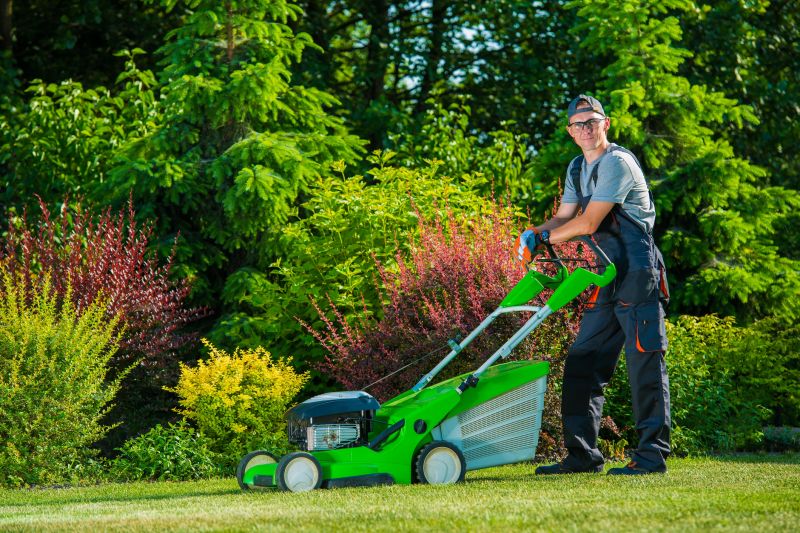 Managing an overgrown lawn can be a challenging task that requires the right tools and equipment to effectively restore the yard's appearance. When dealing with excessive growth, it is essential to select products that can handle thick grass, dense weeds, and tangled brush. Properly chosen equipment can make the process more manageable, efficient, and less time-consuming. From heavy-duty trimmers to robust lawn removal tools, there are numerous options designed to tackle overgrowth with varying degrees of power and versatility.
Top Overall Option
Heavy-Duty String Trimmer
A versatile and powerful string trimmer designed for tackling thick grass, weeds, and brush. Equipped with a robust engine and durable cutting head, it provides efficient clearing for overgrown lawns. Features such as adjustable shafts and ergonomic handles make it easier to operate for extended periods, making it a reliable choice for comprehensive lawn restoration projects.
Types of Products For Overgrown Lawn Service
Gas-Powered String Trimmers
Ideal for heavy-duty trimming and overgrowth removal, offering high power and mobility.
Electric String Trimmers
Suitable for lighter overgrowth, with quieter operation and easy handling.
Battery-Powered Trimmers
Cordless convenience combined with sufficient power for moderate overgrowth.
Brush Cutters
Heavy-duty tools designed to cut through thick brush, small trees, and dense weeds.
Lawn Scarifiers
Tools used to remove thatch and moss, improving soil health and preparing the ground.
Lawn Dethatchers
Machines that help aerate and loosen compacted soil, promoting healthy grass growth.
Mini Excavators
Powerful equipment suitable for large-scale overgrowth removal and landscaping tasks.
Hand Pruners and Shears
Tools for trimming smaller plants, shrubs, and clearing tight spaces.
Rakes and Leaf Blowers
Assist in gathering debris and clearing loose vegetation after cutting.
Grass and Weed Edgers
Help define lawn borders and remove overgrowth along edges and sidewalks.
Root Removal Tools
Specialized equipment for extracting stubborn roots and underground stems.
Soil Tillers
Prepare soil for reseeding or planting after clearing overgrowth.
Hedge Trimmers
Trim and shape overgrown bushes and shrubs as part of the cleanup process.
Chainsaws
Cut through fallen branches, small trees, and dense woody material.
Pressure Washers
Clean up debris, dirt, and residues after clearing the overgrowth.
Wheelbarrows and Yard Carts
Transport debris, cuttings, and waste efficiently during cleanup.
Popular Choices
Popular for their portability and ease of use in moderate overgrowth situations.
Frequently selected for tackling dense brush and thick weeds.
Commonly used for cutting larger woody debris and fallen branches.
Often chosen for their role in soil aeration and lawn rejuvenation.
Favored for their cordless operation and moderate power for overgrowth management.
Popular for large-scale overgrowth removal, offering increased control and power.
Widely used for trimming overgrown shrubs and maintaining neat boundaries.
Commonly used to clear debris after cutting and trimming activities.
Popular for preparing land after overgrowth removal for new planting.
Standard tool for detailed trimming of small plants and branches.
Frequently selected for cleaning up after overgrowth removal projects.
Essential for transporting debris during cleanup efforts.
Popular for extracting stubborn roots and underground vegetation.
Commonly used for shaping overgrown hedges and shrubs.
A comprehensive approach often involves multiple product types working in tandem. For instance, starting with a powerful string trimmer or brush cutter can help clear out tall grass and invasive weeds. Follow-up with a lawn dethatcher or scarifier can improve soil aeration and prepare the ground for reseeding or new turf installation. For large, heavily overgrown areas, equipment such as walk-behind brush cutters or even mini excavators might be considered, depending on the scope of the project.
Safety and ease of use are also critical factors when selecting products for overgrown lawn service. Features like adjustable handles, ergonomic grips, and safety guards can enhance comfort and reduce fatigue during extended use. Additionally, considering the power source—whether gas, electric, or battery—can influence mobility and convenience. Gas-powered tools generally offer more power for tough overgrowth, while electric and battery options tend to be quieter and easier to maintain.
Proper maintenance and handling of these tools ensure longevity and optimal performance. Regularly inspecting blades, replacing worn parts, and following manufacturer guidelines contribute to safer and more efficient operation. Whether tackling a small patch of overgrown yard or a large, neglected area, choosing the right products tailored to the specific conditions can significantly improve results and streamline the cleanup process.
Key Buying Considerations
- Power source compatibility and convenience (gas, electric, battery).
- Suitability for the scale and severity of overgrowth.
- Blade and cutting head durability for tough materials.
- Ease of handling, weight, and ergonomic features.
- Adjustability of handles and cutting angles for comfort.
- Safety features such as guards, auto-shutoff, and vibration reduction.
- Maintenance requirements and availability of replacement parts.
- Noise levels, especially for residential areas.
- Availability of accessories and compatible attachments.
- Storage and portability considerations for ease of transport.
- Budget constraints and overall value for the investment.
- User reviews and recommendations for reliability.
- Compatibility with existing tools and equipment.
- Environmental considerations, if relevant to personal preferences.
- Availability of warranty or customer support services.